When it came to his businesses, James B. Duke was a perfectionist.
Never satisfied with “good enough,” he constantly pushed himself and his business associates to aim higher, work harder and think more creatively than the competition.
Before his untimely death in 1925, he had made a fortune in three industries — tobacco manufacturing, hydroelectric power and textiles. “I have succeeded in business not because I have more natural ability than those who have not succeeded,” he once said, “but because I have applied myself harder and stuck to it longer.”
Mr. Duke applied that philosophy to The Duke Endowment, where he pursued his family’s charitable traditions and his own philanthropic vision with the same intensity and focus on excellence that marked his business dealings. The Endowment’s founding document, his 1924 Indenture of Trust, encoded the pursuit of excellence into our organizational DNA. In the Indenture, he directs the Endowment’s Trustees to “seek to administer well the trust hereby committed to them.”
As his Trustees, we strive to do so today. We recognize that excellence in philanthropy is not about the size of the gift. It’s about the impact of the gift — the results achieved. To that end, we have adopted Guiding Principles for the Endowment that hold the organization and its grantees accountable for achieving the best results, and for directing resources accordingly.
To us, philanthropy entails far more than simply writing checks and hoping for the best. Extensive research and “front-end” work goes into every grant we make. Our staff members travel across the Carolinas each year, sitting down face-to-face with grantees to gauge the feasibility of grant proposals or the progress of Endowment-funded work.
Excellence in philanthropy is not about the size of the gift — it’s about the impact of the gift.
Often, our staff does so much due diligence on a proposal that by the time Trustees make the grant, much of the preparatory work has already been done. Then, as the grant-funded project proceeds — often over several years — the Endowment’s staff members function as de facto consultants to our beneficiaries, supporting them as they work through thorny problems facing health care, child welfare, higher education or the rural church.
That level of collaboration is perhaps unusual for staff among the larger philanthropic foundations. We believe, however, it helps make us better as a grantmaking organization. We learn from our grantees and those whom our grantees serve. We think it helps make our grantees better as well. The collaborative process creates deep relationships and partnerships, and, over time, those relationships build a reservoir of trust that enhances the effectiveness of our grantmaking team and, we hope, positively impacts the results of our grants. Bottom line… we believe in our grantees’ work, and we believe in them.
But even with these deep bonds of trust, we do not write checks and say, “Let us know how it goes.” True to Mr. Duke’s legacy, we will always use internal and/or external evaluation to assess the effectiveness of our grantmaking. We always want to know how grant-funded projects are faring, because we want to continuously learn and improve. In the end, our goal isn’t simply to feel good about giving money away.
Our goal is to make a difference for the people of the Carolinas.
Mr. Duke set a high bar that we strive for each and every day. We will continue to pursue excellence so that we can deploy his resources in the most effective ways possible.
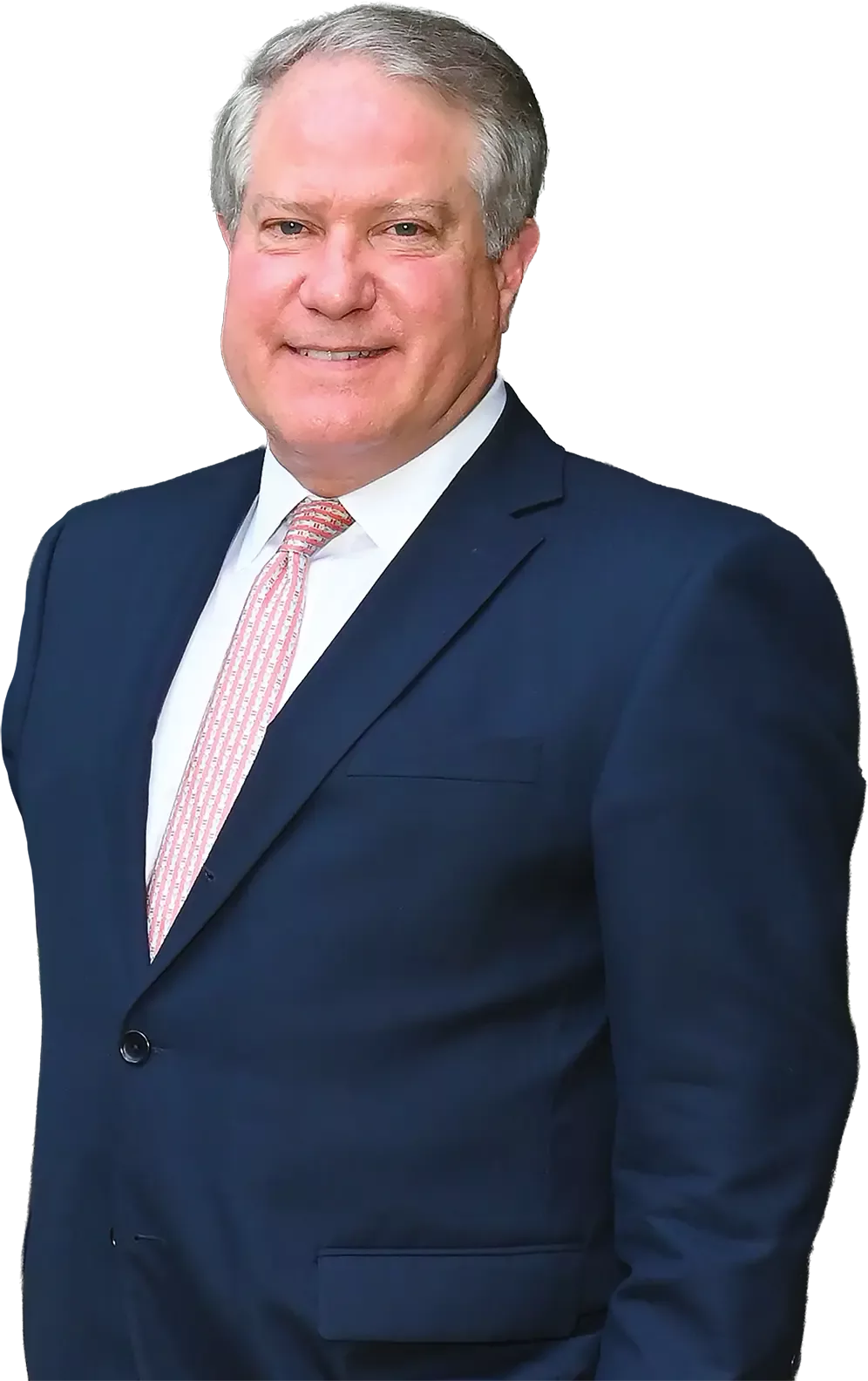
 Charles C. Lucas III
Board Chair
Charles C. Lucas III
Board Chair
Next Letter